
A Foreigner’s Complete Guide to Chinese Banking

China’s meteoric economic rise has transformed it into a global powerhouse, drawing in people and businesses from every corner of the world. Yet, the prospect of dealing with Chinese banks can be daunting for many foreigners. The language barrier and unfamiliar procedures often create a sense of unease. But it doesn’t have to be that way! This guide is your linguistic lifeline in the world of Chinese finance. We’ll arm you with the essential Mandarin vocabulary and phrases needed to confidently manage your money, from opening an account to using Chinese ATMs.
Whether you’re a seasoned expat or a first-time visitor, this guide will help you transform those moments of banking bewilderment into confident, successful transactions. Let’s turn that financial fog into crystal-clear clarity!
Common Chinese banking terms
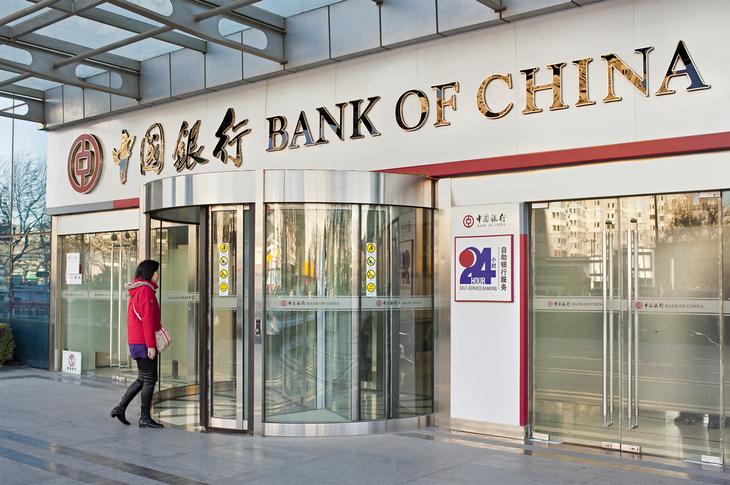
Stepping into a Chinese bank without knowing the lingo is like trying to order food in a Chinese restaurant when you’ve never done it before — confusing and potentially embarrassing. To avoid those awkward moments and ensure smooth transactions, mastering these basic Chinese banking terms is absolutely crucial. Here’s a handy cheat sheet to get you started:
| English | Chinese | Pinyin |
| Bank | 银行 | yínháng |
| Account | 账户 | zhànghù |
| Deposit | 存款 | cúnkuǎn |
| Withdraw Money | 取款 | qǔkuǎn |
| Loan | 贷款 | dàikuǎn |
| Interest Rate | 利率 | lìlǜ |
| Credit Card | 信用卡 | xìnyòngkǎ |
| Debit Card | 借记卡 | jièjìkǎ |
| Cash | 现金 | xiànjīn |
| Check | 支票 | zhīpiào |
| Exchange Rate | 汇率 | huìlǜ |
| Balance | 余额 | yú’é |
| ATM | 自动取款机 | zìdòng qǔkuǎn jī |
| Teller | 出纳员 | chū nà yuán |
| Manager | 经理 | jīng lǐ |
| Passport | 护照 | hùzhào |
| ID Card | 身份证 | shēnfènzhèng |
Related Reading: A Tourist’s Guide to Chinese Money
Chinese banking phrases you need to know
Knowing individual terms is a great start, but to truly conquer the Chinese banking experience, you’ll need to master some common phrases. These phrases will help you communicate effectively with bank staff and confidently handle your transactions.
General inquiries
When you first arrive at a Chinese bank or simply need to find one, these general inquiry phrases will be your go-to. They’ll help you locate services and get basic information quickly.
- “Where is the nearest bank?” 请问最近的银行在哪里? (Qǐngwèn zuì jìn de yínháng zài nǎlǐ?)
- “How much does it cost?” 多少钱 (Duōshǎo qián)
- “What is the current exchange rate of renminbi to the US dollar?” 当前人民币对美元的汇率是多少? (Dāngqián rénmínbì duì měiyuán de huìlǜ shì duōshǎo?).
Making Chinese bank transactions
For the everyday actions of moving money, these transaction-focused phrases are vital. They’ll help you with deposits, withdrawals, transfers, and currency exchange.
- “I want to deposit money.” 我想存钱 (Wǒ xiǎng cún qián)
- “I want to withdraw money.” 我要取钱 (Wǒ yào qǔqián)
- “I want to transfer money.” 我要办理转账 (Wǒ yào bànlǐ zhuǎnzhàng)
- “I want to exchange foreign currency.” 我要兑换外币 (Wǒ yào duìhuàn wàibì).
Making payments and Chinese banks
Mobile payments are a huge deal in China, so these payment phrases are must-knows.
- “Please use mobile payment.” 请用手机支付 (qǐng yòng shǒujī zhīfù)
- “Please give me the receipt.” 请给我发票 (qǐng gěi wǒ fāpiào).
Phrases for online banking in China
Of course, online banking is essential for most people these days. These phrases will enable you to handle your Chinese bank actions from anywhere.
- “Can I apply for online banking?” 我可以办理网上银行吗? (wǒ kěyǐ bànlǐ wǎngshàng yínháng ma?)
- “I want to change my password.” 我想更改密码 (wǒ xiǎng gēnggǎi mìmǎ)
- “Please help me check my account balance.” 请帮我查账户余额 (qǐng bāng wǒ chá zhànghù yú’é).
Related Reading: Mandarin for Travelers: Essential Phrases
ATMs in China and 24/7 access to cash

ATMs are ubiquitous in China, offering a convenient way to access your funds around the clock. However, using them can be a little different than what you’re used to. Knowing the following will ensure a smooth experience when you need to access cash from Chinese banks.
- Finding ATMs in China: Look for ATMs at bank branches, shopping malls, subway stations, and convenience stores. Most ATMs display the logos of major card networks like UnionPay, Visa, and Mastercard.
- Language options: Many ATMs in larger cities offer English language options. Look for a button or menu option to change the language.
- UnionPay: UnionPay is the dominant card network in China. Ensure your card is compatible or look for ATMs displaying the UnionPay logo.
- Withdrawal limits: Be aware of daily withdrawal limits, which can vary between banks and ATMs.
- Transaction fees: Check with your bank about any international transaction fees or ATM usage fees.
- Security: Be cautious when using ATMs, especially at night. Cover the keypad when entering your PIN, and be aware of your surroundings.
Handy Chinese ATM phrases
Using a Chinese ATM can feel like a high-stakes game of “Guess the Button,” especially when you’re jet-lagged and hangry. To avoid those awkward moments where you accidentally donate to a panda charity instead of withdrawing cash, mastering these essential on-screen prompts and button labels is key.
- “Query balance” 查询余额 (cháxún yú’é)
- “Withdraw cash” 提取现金 (tíqǔ xiànjīn)
- “Enter password” 输入密码 (shūrù mìmǎ)
- “Confirm” 确认 (quèrèn)
- “Receipt” 收据 (shōujù)
- “Card Taken” 卡被吞了 (Kǎ bèi tūn le)
Related Reading: The Ultimate Guide to Your Gap Year in China
Opening a Chinese bank account

So, you’re ready to open your very own account? Excellent! But before you picture yourself swimming in a sea of yuan, be prepared for some paperwork and a few bureaucratic hurdles. Opening a Chinese bank account is possible, but it’s not quite as simple as ordering a kung pao chicken. You’ll need to gather a few essential documents and maybe brush up on your Mandarin.
Your Chinese bank account starter kit
To open a Chinese bank account, you’ll typically need to present the following:
- A valid passport: Your golden ticket to international travel and financial freedom.
- A valid visa (e.g., work visa, student visa): Proof that you’re not just here to empty their ATMs and run.
- A residence permit: Evidence that you’re a legitimate resident, not just a transient dumpling enthusiast.
- Proof of address (e.g., rental agreement): So they know where to send those pesky bank statements (and maybe a coupon for free noodles).
- A Chinese mobile phone number: In the age of digital banking, this is your lifeline to your account (and endless WeChat messages).
In some cases, banks might also ask for a taxpayer identification number. Because who doesn’t love more paperwork?
Types of Chinese bank accounts
Chinese banks offer a variety of account types to suit different needs. Whether you’re looking for a simple savings account or something more specialized, here’s a breakdown of the most common options.
| Account Type | Description | Requirements |
| Savings Account | Allows you to deposit and withdraw money while earning interest on your balance. | Passport, valid Chinese visa, local phone number. |
| Current Account (Checking Account) | Designed for frequent transactions with easy access to funds. Perfect for those who like to keep their money moving. | Similar to savings account requirements. |
| Foreign Currency Account | Allows you to hold and transact in foreign currencies. Ideal for those who like to hedge their bets (and avoid exchange rate headaches). | May require additional documentation or minimum balance requirements. |
| Fixed Deposit Account (Time Deposit Account) | Offers higher interest rates for fixed-term deposits. For those who like to watch their money grow (slowly but surely). | Requires a fixed deposit for a specific period. |
The Chinese bank account opening process
The account opening process generally involves a trip to a physical bank branch, where you’ll be greeted with a mountain of application forms and the opportunity to test your document-juggling skills. While larger banks in major cities might have English-speaking staff, it’s always a good idea to bring a translator or brush up on some of the terms and phrases in this guide. After all, you don’t want to accidentally sign up for a lifetime supply of bank-branded pens.
Related Reading: Exploring China as a Digital Nomad
Mobile payments in China (ditch the cash, embrace the QR Code)

In China, cash is quickly becoming a relic of the past. Mobile payments reign, and it’s practically a social faux pas to fumble for bills at the checkout. Linking your Chinese bank account to platforms like WeChat Pay and Alipay isn’t just recommended; it’s practically mandatory. These platforms offer a level of convenience and security that’ll make you wonder how you ever survived without them.
Using online banking in China
Online banking in China is as prevalent as shared bikes and bubble tea. Most Chinese banks offer great mobile banking apps and online platforms that put your financial world at your fingertips. You can check your balance, transfer funds, pay bills, and even argue with customer service – all from the comfort of your couch. And while getting foreign currency directly from an ATM is usually a no-go, some banks are now experimenting with e-CNY wallets. E-CNY, China’s central bank digital currency, is like a digital version of the renminbi issued by the People’s Bank of China (PBOC). It’s the future of money, or at least a very interesting experiment.
Transferring money in and out of China
Moving money in and out of China can feel like trying to solve a Rubik’s Cube blindfolded. But a few methods are available, each with its own quirks and considerations.
- Bank transfers: Direct transfers between bank accounts, often done through online banking. It’s the classic method, like sending a letter by carrier pigeon, but faster.
- Wire transfers: Electronic transfers across networks like SWIFT, commonly used for international payments. It’s the express courier of the financial world but it can be pricey.
- Online payment services: Digital platforms like Wise, Western Union, and Remitly offer international money transfer services with various payout options. They’re considered the ride-sharing apps of money transfers, offering convenience and flexibility.
Remember, it’s crucial to be aware of regulations and limits on international money transfers, which may vary depending on your nationality and residency status. For Chinese residents, there’s an annual limit of USD $50,000 for transferring money outside of mainland China. Always check with your bank or a financial advisor to avoid any unexpected surprises.
Related Reading: Lucky Numbers, Unlucky Numbers: The Superstitions Behind Chinese Numbers
Get financial freedom and master Chinese banks
You’ve now gained some insight into Chinese banks, some essential Chinese banking terms, and the practicalities of international money transfers. But what if you could not only manage your finances but also fully immerse yourself in the rich world of Chinese culture? The key lies in mastering the language itself. Picture the doors that would open — seamless conversations, deeper connections, and a richer understanding of the world around you.
Ready to transform your experience in China? Join the Mandarin Blueprint Challenge today and take the first step towards fluency. This FREE 30-day challenge will equip you with the foundational skills to speak Mandarin with confidence. You’ll gain lifetime access to our comprehensive curriculum, designed to make learning engaging and effective. Plus, you’ll join a vibrant community of over 1,600 fellow learners, providing support and motivation every step of the way.
Don’t let language barriers hold you back. Register today, and you’ll also get course materials and bonuses worth $1,996, all for FREE. Click here to join the Mandarin Blueprint Challenge and discover a world of opportunities. Your journey to Mandarin mastery starts now!