
A Guide to Mastering Chinese Public Transport (And Not Getting Lost in Translation)

Using a foreign country’s transportation system can be daunting, especially when you’re faced with a language barrier and a whole new set of cultural norms. But this in-depth guide is your ticket to exploring China’s diverse transport options with the confidence of a seasoned pro.
From the bustling metro rail in China’s megacities to the humble bus in China’s rural countryside, we’ll cover the ins and outs of getting around like a local. We’ll even look into the essentials of ordering a taxi in Mandarin and the wonderful world of Didi (China’s answer to Uber). So get ready to conquer the Chinese public transport system!
Mobile payments are your ticket to cashless convenience
First things first, let’s talk about the magic of mobile payments. In China, Alipay and WeChat Pay are king. These apps are essential for cashless transactions and are increasingly used for everything from buying subway tickets to paying for taxis. They’re your digital wallet, passport to easier travel, and your secret weapon against fumbling with foreign currency.
Related Reading: A Tourist’s Guide to Chinese Money
Cultural considerations (even when you’re late for the bus in China)
Another important aspect to consider is the cultural differences in using public transportation. Queuing etiquette (or lack of it), noise levels, and giving up seats to those in need are all part of the Chinese public transportation culture. Understanding and respecting these customs will make your journey smoother and show respect for the local culture. Plus, it might just save you from getting some disapproving stares (or worse, a stern lecture from a well-meaning auntie).
Chinese public transport is your ticket to adventure
It’s no secret that China’s public transportation system is a force to be reckoned with. It’s like a well-oiled machine, efficiently whisking millions of people from point A to point B every day. And the best part? It’s incredibly affordable! Forget about those exorbitant taxi fares or the hassle of renting a car. In China, public transport is the way to go.
Now, it’s worth noting that the quality and accessibility of Chinese public transport can vary depending on where you are. In those bustling first-tier cities like Beijing and Shanghai, you’ll find a public transportation network that would make even the most seasoned traveler weep with joy. Subways, buses, trams, high-speed trains – you name it, they’ve got it. But venture out into the smaller cities or towns, and you might find yourself relying on a slightly more…rustic system. Think rickety buses, shared taxis, and maybe even the occasional donkey cart (okay, maybe not that last one).
But hey, that’s all part of the adventure, right? So, without further ado, let’s look into the key players in the Chinese public transport game.
Related Reading: Tips for a First-Time Visit to China
Riding the bus in China is a cost-effective adventure
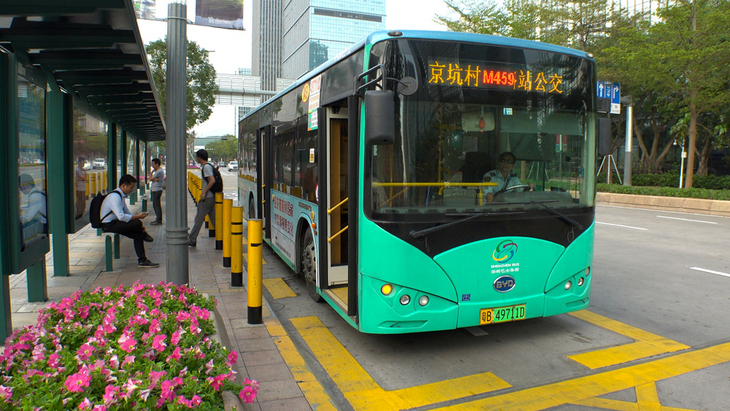
The humble bus is the workhorse of the Chinese public transport system, a cost-effective way to explore both urban and rural areas. While understanding bus routes in China might seem daunting at first (especially when those route maps are written in Chinese), with a little preparation, you’ll be hopping on and off buses like a pro.
Mastering the Chinese bus stop
First things first, let’s conquer the Chinese bus stop. These bustling hubs of activity can be a bit of a free-for-all, especially during rush hour. While queuing is generally valued in Chinese culture, the reality can be a bit more…flexible. It’s a bit of a dance of elbows and backpacks, where the goal is to get on the bus (without losing your sanity or your personal belongings).
Here are a few tips to help you handle those Chinese bus queues:
- Embrace the chaos: Don’t expect perfectly straight lines or orderly boarding procedures. Be prepared for some jostling, creative line-cutting, and maybe even a few accidental shoves. It’s all part of the experience!
- Assert yourself (politely): If someone blatantly cuts in front of you, don’t be afraid to politely (but firmly) point out their transgression. A simple “páiduì” (排队 – line up) might be enough to send them back to their rightful place in the queue.
- Gap-filling is a sport: Be prepared to fill any gaps that appear in the line. Hesitate, and someone else will snatch that prime spot before you can say, “Ni hao.”
- The early bird gets the worm (and the seat): If you’re really averse to queuing chaos, try to arrive early and be at the front of the line. This way, you can secure your spot on the bus without engaging in any elbow battles.
Remember, queuing in China might seem chaotic at first, but there’s an underlying logic to it. So, embrace the experience, be assertive (but polite), and you’ll be boarding that bus in no time. Just don’t forget to hold on tight once you’re on board because those Chinese bus drivers can be a bit…enthusiastic.
Essential phrases for the bus in China
| Chinese | Pinyin | English |
| 公交车 | gōngjiāochē | bus |
| 公车站 | gōngchē zhàn | bus stop |
| 车票 | chēpiào | ticket |
| 这辆公交车要去……吗? | Zhè liàng gōngjiāo chē yào qù…… Ma? | Does this bus go to …? |
| 车费是多少? | Chē fèi shì duōshǎo? | How much is the fare? |
| 请问,下一班车是什么时候? | qǐngwèn, xià yī bān chē shì shénme shíhou? | Excuse me, when is the next bus? |
Remember to relax, enjoy the ride, and maybe try to strike up a conversation with your fellow passengers. Who knows, you might even make a new friend (or at least learn some interesting Chinese slang).
Related Reading: 5 Chinese Expressions That Will Make You Sound like a Native Speaker
Long-distance buses in China (an endurance test and a cultural immersion experience)
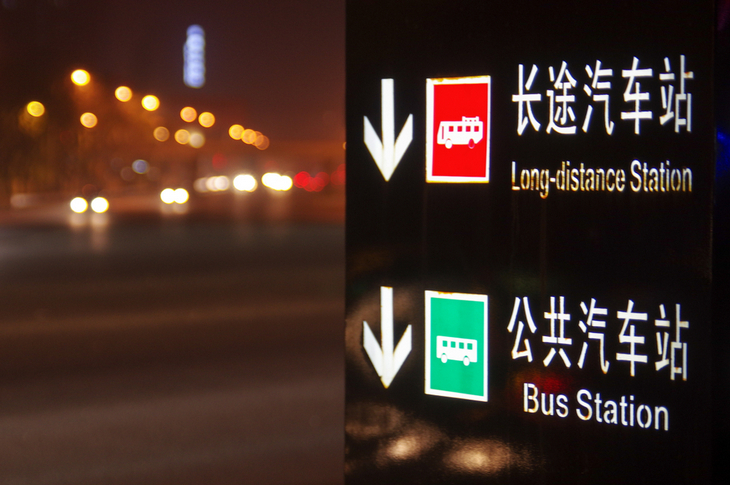
Feeling adventurous? Want to experience the real China, with all its sights, sounds, and smells? Then hop on a long-distance bus! These trusty steeds of the Chinese public transport system will take you from bustling metropolises to sleepy villages, offering a unique glimpse into the heart of the country.
Now, before you grab your backpack and head to the nearest long-distance bus station in China, be prepared for a journey that’s… well, let’s just say it’s not for the faint of heart. Long-distance buses in China can be time-consuming, especially for those routes that stretch across provinces.
Mastering the long-distance bus station
Here are a few tips to help you manage the wonderful world of long-distance buses in China:
- Patience is a virtue: Long journeys are par for the course, so pack your snacks, your favorite podcasts, and maybe a good book (or two). And remember, those bathroom breaks might not be as frequent or glamorous as you’d like, so plan accordingly.
- Ticket tactics: Tickets are typically available at the bus station, and you might need your passport to purchase them. So, don’t forget your travel documents (or your bargaining skills if you’re feeling adventurous).
- Consider alternatives: If you’re short on time (or patience), consider high-speed trains or flights. They might be pricier, but they’ll get you to your destination faster and with less risk of developing deep vein thrombosis.
Essential phrases for the long-distance bus in China
| Chinese | Pinyin | English |
| 长途汽车 | chángtú qìchē | long-distance bus |
| 长途汽车站 | chángtú qìchē zhàn | long-distance bus station |
| 售票处 | Shòupiào chù | ticket office |
| 我要买一张去…的票 | wǒ yào mǎi yī zhāng qù … de piào | I want to buy a ticket to … |
| 这辆车去…吗? | zhè liàng chē qù … ma? | Does this bus go to …? |
| 什么时候出发? | shénme shíhou chūfā? | When does it depart? |
Riding the train in China is a high-speed adventure

All aboard the bullet train! China’s high-speed rail network is the envy of the world; a marvel of engineering that whisks passengers across vast distances at mind-boggling speeds. It’s like teleportation but with comfier seats and better snacks.
But before you jump on the first train to Timbuktu (or, you know, Tianjin), there are a few things you need to know about the wonderful world of Chinese trains.
- Book ahead: Especially during peak seasons or holidays, tickets for those high-speed trains can disappear faster than a plate of dumplings at a dim sum brunch. You can purchase tickets online, at railway stations, or through ticket outlets. While buying tickets directly at the station might seem like an authentic experience, be prepared for long queues and limited English proficiency among staff. Consider booking online for a smoother experience.
- Early bird gets the worm (and the seat): Arrive early to allow ample time for security checks and finding your platform. Chinese train stations can be like mazes, so give yourself plenty of time to get through those crowds and avoid missing your train.
- Seat selection shenanigans: Choose your seat class wisely. Options range from second class to business class on high-speed trains, with varying levels of comfort and price. On overnight trains, you can choose from hard sleeper, soft sleeper, and superior soft sleeper berths, with the latter offering more privacy and comfort (and hopefully less snoring). Standing tickets are also available as a cheaper alternative, but without a guaranteed seat, you might end up doing a lot of impromptu calf raises.
- Luggage logistics: Use the luggage racks or cabinets provided. Don’t be that person who blocks the aisle with their oversized suitcase, earning the wrath of your fellow passengers.
- Real-name ticketing: Be aware of the “real-name ticketing” policy. This requires passengers to use their passports to purchase and board trains, so keep those travel documents handy.
Essential phrases for train travel in China
| Chinese | Pinyin | English |
| 火车 | huǒchē | train |
| 火车站 | huǒchē zhàn | train station |
| 票 | piào | ticket |
| 高铁 | gāotiě | high-speed rail |
| 我要买一张去…的火车票 | wǒ yào mǎi yī zhāng qù … de huǒchē piào | I want to buy a train ticket to … |
| 请问,这是去…的火车吗? | qǐngwèn, zhè shì qù … de huǒchē ma? | Excuse me, is this the train to …? |
Related Reading: The Art of Asking Questions in Chinese
Riding the metro rail in China

China’s major cities boast some of the most modern and extensive subway systems on the planet. They’re underground labyrinths that can whisk you away to any corner of the city, all while avoiding the traffic chaos above. And the best part? Most stations have bilingual signage, making them surprisingly easy to find your way around, even for those whose Mandarin skills are still a work in progress.
Here are a few tips to ensure a smooth and efficient journey:
- Line up your lines: Each subway line is color-coded and numbered, making it easy to identify your route. Think of it as a rainbow roadmap to urban exploration.
- Ticket tactics: You can purchase single-journey tickets from vending machines or opt for a rechargeable transportation card for convenience and discounts. For those who really want to get the local experience, consider city-specific cards like the Beijing Transportation Smart Card (Beijing Pass for foreigners) or the Shanghai Public Transportation Card, which offer additional benefits and can be obtained at subway stations or designated locations.
- Follow the signs: Subway stations in China are generally well-signed, with clear directions to platforms and exits. Just remember to keep your eyes peeled and your translation app handy (just in case).
- Peak hour: Be prepared for the rush hour crush. Subways can get crowded during peak hours, so if you’re claustrophobic or value your personal space, you might want to adjust your travel time accordingly.
Essential phrases for the metro in China
| Chinese | Pinyin | English |
| 地铁 | dìtiě | subway |
| 地铁站 | dìtiě zhàn | subway station |
| 入口 | rùkǒu | entrance |
| 出口 | chūkǒu | exit |
| 这条线去…吗? | zhè tiáo xiàn qù … ma? | Does this line go to …? |
| 下一站是…? | xià yī zhàn shì …? | What is the next stop? |
Related Reading: How to Overcome Mandarin Speaking Anxiety
Waterways in China (if you’ve got the time)

Ahoy there, matey! While not as common as hopping on a bus or zipping through the metro rail in China, waterways offer a unique way to experience the country. Imagine gliding along a peaceful river, surrounded by stunning scenery, with the gentle breeze ruffling your hair (and maybe a few ducks chasing your boat). It’s like a scene out of a Chinese painting but with less ink and more motion sickness potential.
Now, before you trade your subway ticket for a life vest, there are a few things to keep in mind about using China’s waterways:
- Research is your rudder: Information on waterway transportation might be harder to find than a vegetarian option at a hotpot restaurant. So, do your homework and make sure you know the routes, schedules, and availability before you set sail.
- Time is of the essence (or not): Traveling by waterway can be a leisurely affair, which is great if you’ve got time to spare and enjoy the scenery. But if you’re in a hurry, you might want to stick to the metro or those speedy bullet trains.
- Availability anchors: Waterway transportation might not be available in all areas or for all destinations. So, don’t expect to sail from Beijing to Xi’an (unless you’ve got a really, really big boat).
Essential phrases for using waterways in China
| Chinese | Pinyin | English |
| 水路 | shuǐlù | waterway |
| 船 | chuán | boat/ship |
| 码头 | mǎtou | pier/dock |
| 我要买一张去…的船票 | wǒ yào mǎi yī zhāng qù … de chuánpiào | I want to buy a boat/ship ticket to … |
| 这艘船去…吗? | zhè sōu chuán qù … ma? | Does this boat/ship go to …? |
| 什么时候开船? | shénme shíhou kāichuán? | When does the boat/ship depart? |
If you’re looking for a unique and scenic way to experience China, hop aboard and embrace the waterways. Just remember to pack your sea legs, your sense of adventure, and maybe a good book (or two). And if you happen to see a dragon boat race, don’t forget to cheer extra loud!
Related Reading: Mandarin for Travelers: Essential Phrases
Taking a taxi in China (convenient but sometimes pricey)

When you need to get somewhere fast and don’t feel like deciphering bus routes or squeezing onto a crowded subway, taxis are a good option. They’re readily available in cities, offering a convenient way to travel short distances (or even start on a sightseeing adventure if your bargaining skills are up to par).
But before you hail the first taxi you see, there are a few things you need to know to ensure a smooth and scam-free ride.
- Hail yeah! Avoid hailing taxis on busy streets, as it can be a recipe for traffic chaos (and maybe a few angry honks). Instead, head to designated taxi stands or use a ride-hailing app like Didi (more on that later).
- Destination destination: Most taxi drivers in China have limited English proficiency, so have your destination written in Chinese. Bonus points if you can pronounce it with perfect tones!
- Meter madness: Insist on using the meter to avoid getting ripped off. Be aware of potential Chinese scams, like drivers claiming a broken meter. If this happens, stand your ground and insist on using the meter or find another taxi. Remember, you’re a savvy traveler, not a walking ATM.
- Cash is king (but small bills rule): Carry small bills, as drivers may not have change for large denominations. Nobody wants to start their journey with a frantic search for an open convenience store.
- Mobile payment power: Many taxis now accept mobile payment apps like Alipay or WeChat Pay, making it even easier to pay your fare and avoid those awkward cash fumbles.
- Negotiation: If you’re planning a longer trip or a sightseeing excursion, you can hire a taxi for a half-day or full-day. Just make sure to negotiate a price with the driver beforehand to avoid any surprises (and maybe brush up on your bargaining skills).
| Chinese | Pinyin | English |
| 出租车 | Chūzū chē | taxi |
| 师傅 | shīfu | driver (respectful) |
| 请带我去… | qǐng dài wǒ qù … | Please take me to … |
| 请使用仪表 | Qǐng shǐyòng yíbiǎo | Please use the meter |
| 多少钱? | duōshao qián | How much is it? |
Just remember to relax, enjoy the ride, and maybe try to strike up a conversation with your driver.
Didi Chuxing is your ride-hailing hero in China
Forget Uber, forget Lyft – in China, Didi Chuxing is the king of ride-hailing apps. It’s a taxi service on steroids, offering a convenient and affordable way to get around, especially in those bustling cities where finding a taxi can be like searching for a panda in a bamboo forest.
Ready to tackle the world of Didi? Here’s how to become a ride-hailing expert:
- App attack: Download the Didi app in English and set up your account. It’s as easy as ordering takeout.
- Payment power: Link your credit card or use WeChat Pay or Alipay to make paying for your rides a breeze. No more fumbling with cash or trying to decipher foreign currency.
- Destination info: Use the English interface to input your destination. Didi’s got you covered with accurate maps and real-time navigation, so you can sit back, relax, and enjoy the ride (or at least try to ignore the questionable driving habits of some Didi drivers).
- Track your ride: Monitor your driver’s location in real time so you know exactly when to expect your chariot (or, you know, a slightly beat-up BYD).
Essential phrases for using Didi in China
While the Didi app has an English interface, knowing a few basic phrases can be helpful, especially if you want to impress your driver (or just avoid awkward silence):
| Chinese | Pinyin | English |
| 网约车 | wǎngyuēchē | Online car hailing |
| 司机 | sījī | driver |
| 请问,你到了吗? | qǐngwèn, nǐ dào le ma? | Excuse me, have you arrived? |
| 谢谢 | xièxie | thank you |
With these tips and phrases, you’ll be a Didi master in no time. Just remember to rate your driver (and maybe leave a nice comment if they managed to avoid any near-death experiences on the road).
Conquer Chinese public transport and become an explorer
You should now be a little better equipped with the knowledge and vocabulary to use Chinese public transport. From mastering the Chinese subway system to hailing a taxi in Mandarin, you’re ready to explore China like a local. Remember, whether you’re hopping on a bus in China, zipping through the metro rail in China’s bustling cities, or on a scenic journey along the waterways of China, experiencing the local transportation culture is all part of the adventure.
But why stop there? Imagine the thrill of confidently conversing with locals, ordering delicious street food, and bargaining for souvenirs in a bustling market – all in fluent Mandarin. This dream can become a reality, and it all starts with a solid foundation in the Chinese language.
Ready to take your Mandarin to the next level? Join the Mandarin Blueprint Challenge today and begin a transformative language learning adventure. This FREE 30-day challenge will equip you with the essential skills and knowledge needed to build a solid foundation in Mandarin. You’ll gain lifetime access to our comprehensive curriculum, designed to take you from absolute beginner to conversational in just one month. Plus, you’ll join a vibrant community of over 1,600 fellow Mandarin learners, providing support, motivation, and a wealth of shared experience.
Don’t miss this opportunity to fast-track your Mandarin and discover a world of possibilities. Register for the Mandarin Blueprint Challenge and receive instant access to course materials and bonus resources worth $1,996!