The Ultimate Guide to Understanding Chinese Table Manners (And Avoiding Faux Pas!)
Chinese table manners can be trickier than catching a slippery fish with slippery utensils. In China, good manners aren’t just about avoiding spills on your shirt; they’re about showing respect, honoring tradition, and ensuring a harmonious dining experience for everyone.
This guide is your crash course in Chinese table manners, your key to those cultural nuances. We’ll compare and contrast Chinese table manners with Western customs, highlight best practices for a harmonious dining experience, and shed light on those social faux pas that could leave you red-faced (and maybe a little hungry).
So, grab your chopsticks, loosen your belt, and get ready to discover the secrets of Chinese dining etiquette. By the end of this guide, you’ll be able to host a Chinese banquet like a pro, impressing your friends, honoring your hosts, and maybe even scoring some extra dumplings.
How do Chinese table settings work?
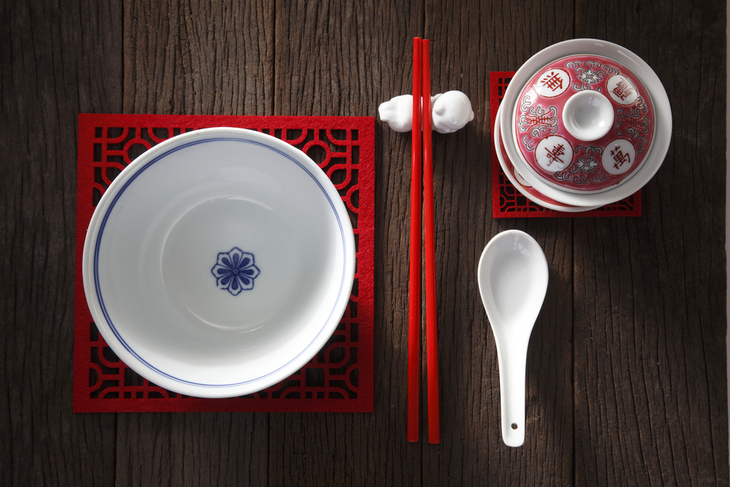
The Chinese table setting isn’t just about arranging plates and utensils; it’s carefully set for a culinary experience. Forget those sharp knives and individualistic Western place settings. In China, round tables reign supreme, symbolizing unity and completeness.
Understanding Chinese table settings (for the uninitiated)
So, what can you expect to find at a typical Chinese table setting? Here’s a quick rundown:
- Teacup: A small teacup for sipping on that delightful Chinese tea. It’s like a warm hug for your hands and a gentle reminder to slow down and savor the moment.
- Plate and rice bowl: A large plate with a small, empty rice bowl. The plate is for your main dishes, while the rice bowl is for, well, rice. It’s a simple system that ensures everyone gets their fair share of carbs.
- Chopsticks: A set of chopsticks, usually placed to the right of the plate. These are your primary eating tools, so make sure you’ve practiced your chopstick skills before you arrive.
- Soup spoon: It’s a mini-ladle, perfect for scooping up those tasty broth-soaked morsels.
In more formal settings, you might also find a chopstick rest (because chopsticks deserve a break, too), a large water or wine glass, and a smaller glass for baijiu (Chinese liquor). So, if you’re feeling fancy, be sure to brush up on the traditions of alcohol etiquette in China so that you can drink like a local (and not embarrass yourself too much).
Related Reading: Chinese for Foodies: A Culinary Language Journey
Seating arrangements in Chinese dining culture are a big deal. They’re not random at all. Instead, they reflect a deep-rooted respect for hierarchy and seniority. Forget about those casual Western gatherings where everyone just grabs a seat wherever they please. In China, where you sit at the table can be more important than what you eat.
Here’s a quick guide to the seating chart and avoiding any social faux pas:
- The seat of honor: The seat facing the door is the most prestigious spot, typically reserved for the most senior member of the group or the guest of honor. It’s the place to be if you want to feel like the king (or queen) of the dinner table.
- Host headquarters: The host usually sits opposite the guest of honor, making it easy to serve dishes and keep the conversation flowing.
- Status and seating: Other guests are seated based on their social standing and relationship with the host, with those closer to the guest of honor occupying higher positions. It’s a subtle but significant way of showing respect and acknowledging social hierarchy.
Multi-table manners (Chinese dining etiquette on a grander scale)
In a multi-table banquet hall, the main table, located furthest from the entrance, holds the most importance. Tables to the left of the main table are ranked in descending order of importance, while those on the right follow a similar order. Guests are seated according to their status and relationship with the host, creating a complex social map that could rival a corporate organizational chart.
So, before you pull up a chair at a Chinese banquet, take a moment to observe the seating arrangement and understand the cultural nuances at play. It’s a fascinating glimpse into Chinese manners and social customs, and it might just save you from an embarrassing faux pas (or worse, a cold plate of dumplings).
The dos and don’ts of Chopstick etiquette
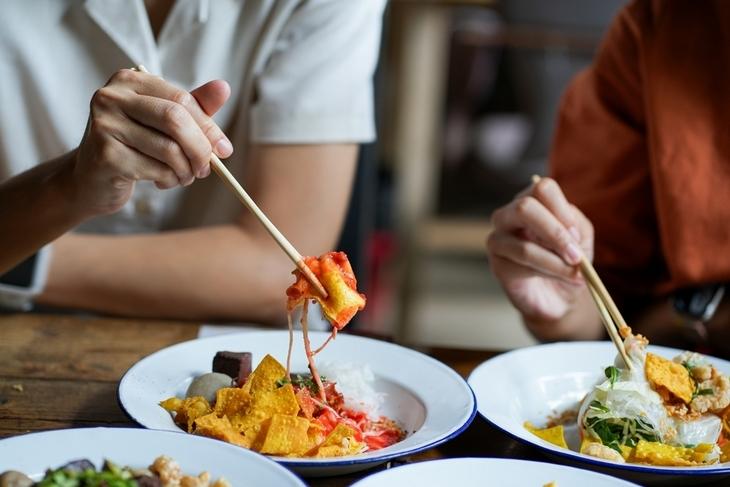
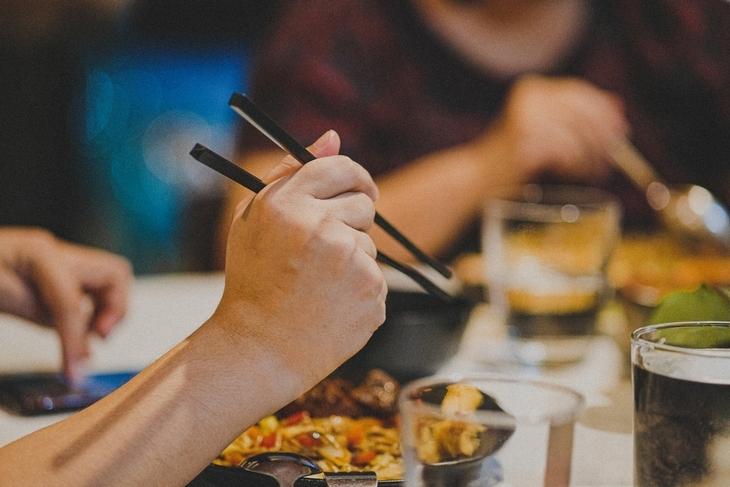
Chopsticks are the stars of the Chinese dining table. But wielding these seemingly simple utensils comes with a set of rules and customs that can be tricky if you’re not used to them.
Mastering chopstick etiquette shows respect, demonstrates cultural sensitivity, and prevents you from accidentally committing a faux pas that could leave your dining companions horrified (or worse, laughing at your chopstick fumbling).
Here’s a quick guide to the dos and don’ts of chopstick etiquette:
| Dos | Don’ts |
| Hold chopsticks correctly: Grasp the chopsticks towards the top, using your thumb, index, and middle fingers. Think of it as a graceful extension of your hand, not a weaponized pair of tweezers. | Stick chopsticks vertically in a bowl: This gesture resembles incense sticks used in funerals and is considered among the serious taboos in China. Unless you’re aiming to bring the mood down (and maybe get yourself disinvited from future dinners), avoid this chopstick faux pas at all costs. |
| Use serving chopsticks: When communal dishes are served, use the provided serving chopsticks (“gongkuai”) to transfer food to your plate. | Cross chopsticks: Crossing chopsticks is seen as inauspicious, symbolizing death. So, unless you’re trying to send a morbid message (or just ruin everyone’s appetite), keep those chopsticks parallel. |
| Rest chopsticks properly: When not in use, place chopsticks horizontally on your plate or on a chopstick rest if provided. | Point with chopsticks: Avoid pointing at people or objects with chopsticks, as it’s considered rude. |
| Use the reverse side of chopsticks to reach for food from shared dishes: It shows consideration for others and prevents any accidental double-dipping mishaps. | Stab food with chopsticks: Refrain from stabbing or spearing food with chopsticks. It’s like using a fork to eat soup – messy and inefficient. |
| Pass food with chopsticks (carefully): Offering food to others is a gesture of generosity and hospitality in Chinese culture. Just make sure you do it with grace and avoid any accidental chopstick collisions. Only pass from chopstick to plate or bowl. | Pass food from chopsticks to chopsticks: This resembles the passing of bones after cremation and is considered a serious taboo. So, unless you’re planning on attending a funeral after dinner, avoid this chopstick faux pas. |
It’s worth noting that communal chopsticks (“gongkuai”) are becoming increasingly common, even in informal gatherings, due to rising health consciousness.
Related Reading: Healthy Eating, Chinese Style: Learn the Language of Nutrition
Serving and eating food in China
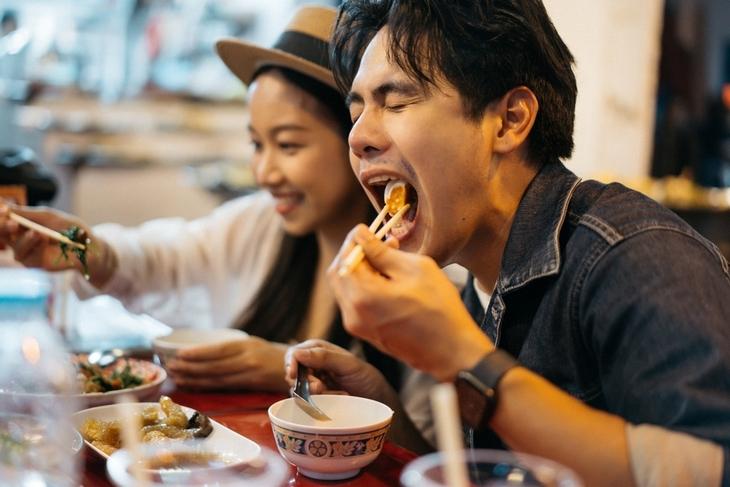
Forget those lonely Western plates and the “every man for himself” mentality. In Chinese dining, sharing is caring, and communal dishes reign. This emphasis on sharing reflects the collectivist values deeply rooted in Chinese culture, where the group’s well-being is prioritized over individual desires. It’s a beautiful example of Chinese philosophy, but can also be a minefield of potential faux pas for those unfamiliar with Chinese table manners.
So, how do you avoid accidentally committing a chopstick crime and offending your fellow diners? Here’s a quick guide to handling the communal feast with grace and cultural sensitivity:
- Patience is key: It’s considered respectful to wait for the host or the most senior person to start eating before you do.
- Others first: Show consideration for others by offering them food or tea before taking a portion for yourself.
- Gratitude is the best appetizer: When someone refills your drink, express your thanks verbally or by tapping the table twice with two bent fingers if you don’t want to interrupt the conversation. It acknowledges their kindness without disrupting the flow.
- Portion control: Avoid filling your plate with excessive food, as this may appear greedy and leave less for others. Remember, sharing is caring, and nobody likes a food hog.
- Be a gracious guest: Sample a bit of every dish to show appreciation for the host’s efforts. As a guest, you may be encouraged to order more dishes as a sign of the host’s hospitality.
- Don’t be a glutton: Finishing everything on your plate may imply that the host didn’t provide enough food. Leaving a small amount in your bowl or cup indicates that you’re satisfied.
- Respect your elders: Traditionally, the youngest person at the table is expected to refill drinks and serve food to elders. Imagine you’re learning the ropes of Chinese dining etiquette from the masters.
- Compliment with gusto: Complimenting the host throughout the meal is a way to show appreciation and acknowledge their culinary efforts. It’s a verbal pat on the back, encouraging them to keep those delicious dishes coming.
- Respect the food: Hold the rice bowl close to your mouth while eating, and offer the best pieces of food to others before serving yourself.
- Pace yourself: A starchy dish like noodles or dumplings is often served near the end of the meal to ensure guests are fully satiated. It’s your culinary safety net, preventing anyone from leaving the table hungry (or worse, hangry).
- Skip the fortune cookies: While popular in Westernized Chinese restaurants, fortune cookies are not a traditional Chinese custom. They’re a culinary tourist trap, a fun novelty but not a true reflection of Chinese dining culture.
Just remember, the key is to be mindful, respectful, and appreciative. And who knows, you might even discover your new favorite dish!
Chinese dining faux pas to avoid (don’t be that diner)
You’ve mastered the chopstick choreography and understood the seating chart like a pro. But the Chinese dining etiquette adventure doesn’t end there! There are still a few social landmines to avoid, lest you become that person everyone talks about after the dinner party (and not in a good way).
So, before you dig into that delicious spread, take a moment to familiarize yourself with these common faux pas that could turn your culinary triumph into a social disaster:
- Mouth matters: Keep that food chute closed while you’re chewing! Talking with your mouth full is a major no-no in Chinese culture (it’s not appreciated in Western culture either, to be fair). It’s considered rude and unhygienic, and it might even spray your dining companions with half-chewed rice (not a good look). Also, speaking while eating is believed to disrupt digestion, so keep those conversations to a minimum while you’re munching.
- Leg lockdown: Avoid shaking your legs like you’re auditioning for a tap-dancing competition. This nervous habit is seen as disrespectful and may imply impatience or boredom. There’s even a Chinese idiom, “男抖穷,女抖贱” (nán dǒu qióng, nǚ dǒu jiàn), which roughly translates to “A man tapping his foot is poor, and a woman tapping her foot is mean.” So, unless you want to be labeled as poor, mean, or just plain annoying, keep those legs still.
- Toothpick tactics: While toothpicks are sometimes provided, it’s best to use them discreetly or excuse yourself to the restroom. Avoid openly picking things from your teeth like you’re excavating the Terracotta Army. Nobody wants to witness your dental hygiene routine during dinner.
- Don’t be a picker: Avoid rummaging through dishes to find the best pieces, which is considered impolite. It’s not a culinary scavenger hunt, and you won’t be finding treasure. You’re just annoying everyone else at the table.
- Leave the fish alone: In Chinese culture, turning over a fish is believed to bring bad luck, particularly for fishermen. So, unless you’re trying to sabotage the local fishing industry (or just jinx your dinner companions), eat up without flipping it.
Ditch the bad habits, embrace the good ones, and enjoy the deliciousness!
Other important considerations with Chinese dining etiquette
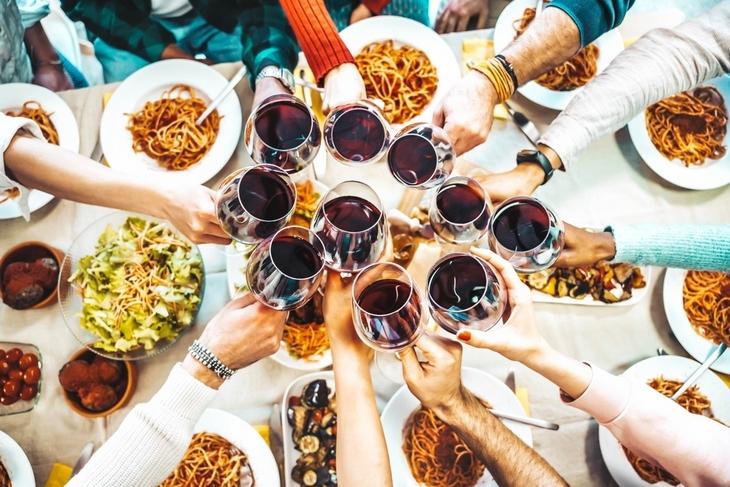
You’ve mastered the chopsticks, and you’ve worked out the seating chart. But the adventure in Chinese dining etiquette doesn’t end there! There are still a few more cultural nuances to explore, ensuring you’re fully equipped to handle any dining situation with grace and confidence.
Chinese dining is often a social affair, a chance to connect with friends, family, and colleagues. However, these social interactions can be tricky, especially for those unfamiliar with Chinese customs. So, let’s explore a few key points to keep in mind.
- Toasting: Toasting is an integral part of Chinese dining, especially in formal settings. When toasting, hold your glass lower than the person you’re toasting to show respect. This gesture acknowledges their seniority and conveys your well wishes.
- Slurping encouraged: While slurping noodles or soup might be frowned upon in Western cultures, it’s often perfectly acceptable in China, particularly in informal settings. It can even be seen as a compliment to the chef, a sign that you’re truly enjoying their culinary creations.
- Paying the bill: In China, the host typically pays the bill. Arguing over the bill is common, but ultimately, the host is expected to cover the cost. Splitting the bill (“going Dutch”) is not a common practice and might be met with resistance.
General etiquette beyond the dining table
Beyond the dining table, there are a few other cultural considerations to keep in mind:
- Business after hours: Business isn’t generally discussed during a meal in China. It’s a time for socializing and building relationships, not closing deals. Read our guide to Chinese business dinners for more insights.
- Fruit signals the end: The serving of fruit typically signifies the end of the meal. It’s a signal that it’s time to wrap things up and thank the host for their hospitality.
- Rice as an encore: The host will often wait until near the end of the meal to serve rice unless a guest requests it earlier.
- Gloves on: In some regions, wearing gloves is customary when eating fried chicken or crayfish. It prevents messy fingers from interfering with the dining experience.
Master Chinese table manners and discover a world of culinary delights
Dining in China is an adventure for the palate and the mind, a delicious journey into a culture where food isn’t just sustenance but a celebration of tradition, respect, and shared experiences. By familiarizing yourself with even the basics of Chinese table manners, you can experience this adventure with grace, confidence, and a healthy dose of appreciation.
But mastering Chinese table manners is just the beginning of your cultural immersion. What if you could unlock the full potential of the Chinese language and experience Chinese culture in its entirety?
Ready to take the plunge? Join the Mandarin Blueprint Challenge today and take the first step on a transformative language learning adventure. This FREE 30-day challenge will equip you with the essential skills and knowledge needed to build a solid foundation in Mandarin. You’ll get lifetime access to our comprehensive curriculum, designed to take you from absolute beginner to conversational in just one month. You’ll also join a vibrant community of over 1,600 fellow Mandarin learners, providing support, motivation, and a wealth of shared experiences.
Don’t miss this opportunity. Register for the Mandarin Blueprint Challenge and receive instant access to course materials and bonus resources worth $1,996. Your Mandarin adventure awaits!